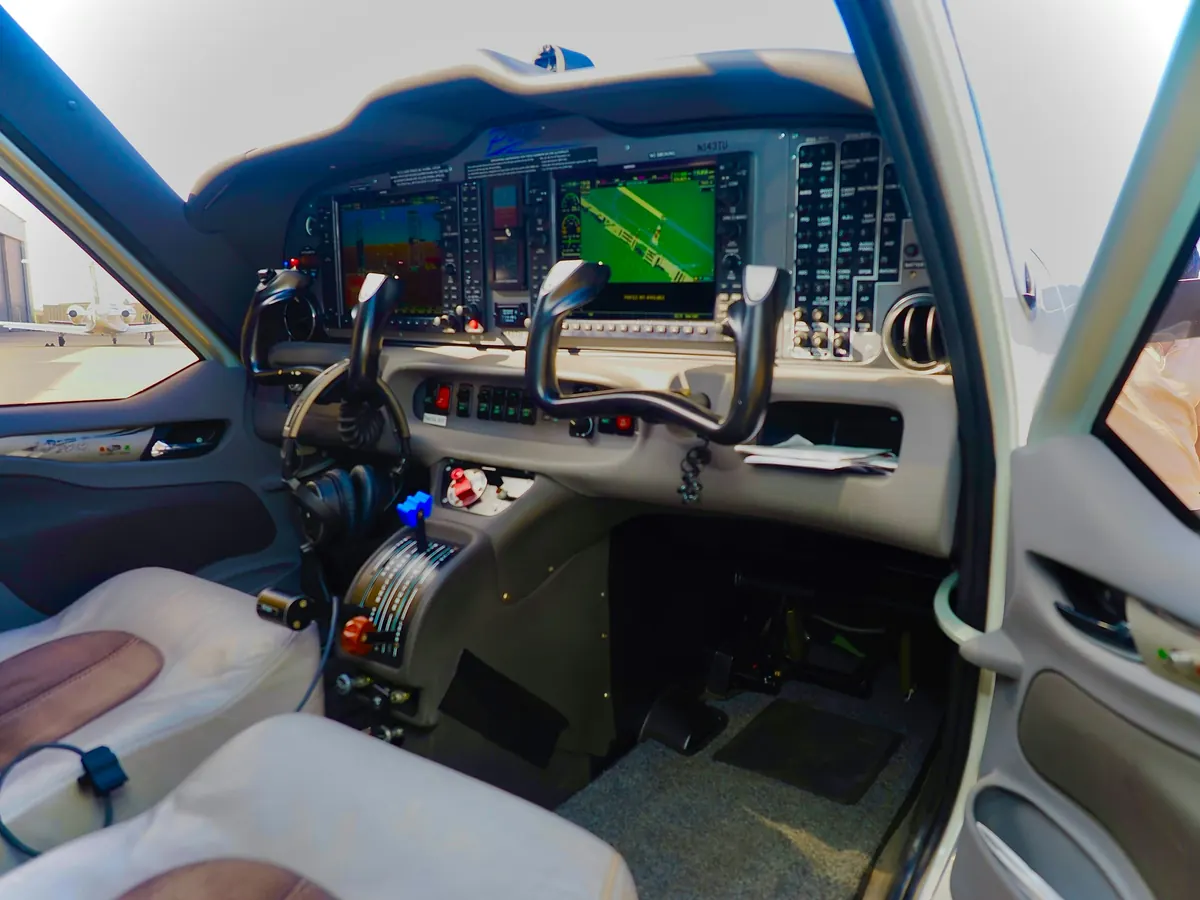
Turboprop
$1,800–3,200per hour, estimated
- Seats
- 6–9
- Range
- ~1,800 nm
Pilatus PC-12, King Air 350
Tell us the trip. We come back with aircraft from FAA Part 135 operators and a price broken into every line: flight time, positioning, taxes and fees.

Illustrative estimateOne way
TEB → DJT
Teterboro to Palm Beach · light jet · 4 passengers
An estimate, not a quote. Your quote shows the operator’s exact figures.
Federal excise tax, segment fees and airport charges are in the number you see.
Every flight is operated by an FAA Part 135 certificated carrier, or the foreign equivalent.
The same person handles your trip from first request to landing.
Asking for a price costs nothing: no membership, card or deposit.

A charter price is the aircraft’s hourly rate multiplied by the hours flown, plus a short list of charges that depend on where the aircraft starts, how long you keep it and where you land. Our quotes show each one, so you can see exactly what you are paying for.
Hours in the air multiplied by the aircraft’s hourly rate. The largest line on every quote.
Flying the aircraft to your departure airport, and home again, when it is not based nearby.
Many operators bill at least one to two hours for each day the aircraft is yours.
Charged on domestic US charter. International trips carry different taxes instead.
A federal fee per passenger, per leg, indexed every year.
Hotel and meals for the crew when your trip keeps them away overnight.
Landing, parking and private-terminal fees set by each airport and FBO.
Winter only, when frost or snow must be cleared before departure.
Ordered to your taste and shown at the price the operator will bill.
Hourly rate follows size. These are estimated US market ranges before tax and fees; your quote shows the rate for the actual aircraft offered.
$1,800–3,200per hour, estimated
Pilatus PC-12, King Air 350
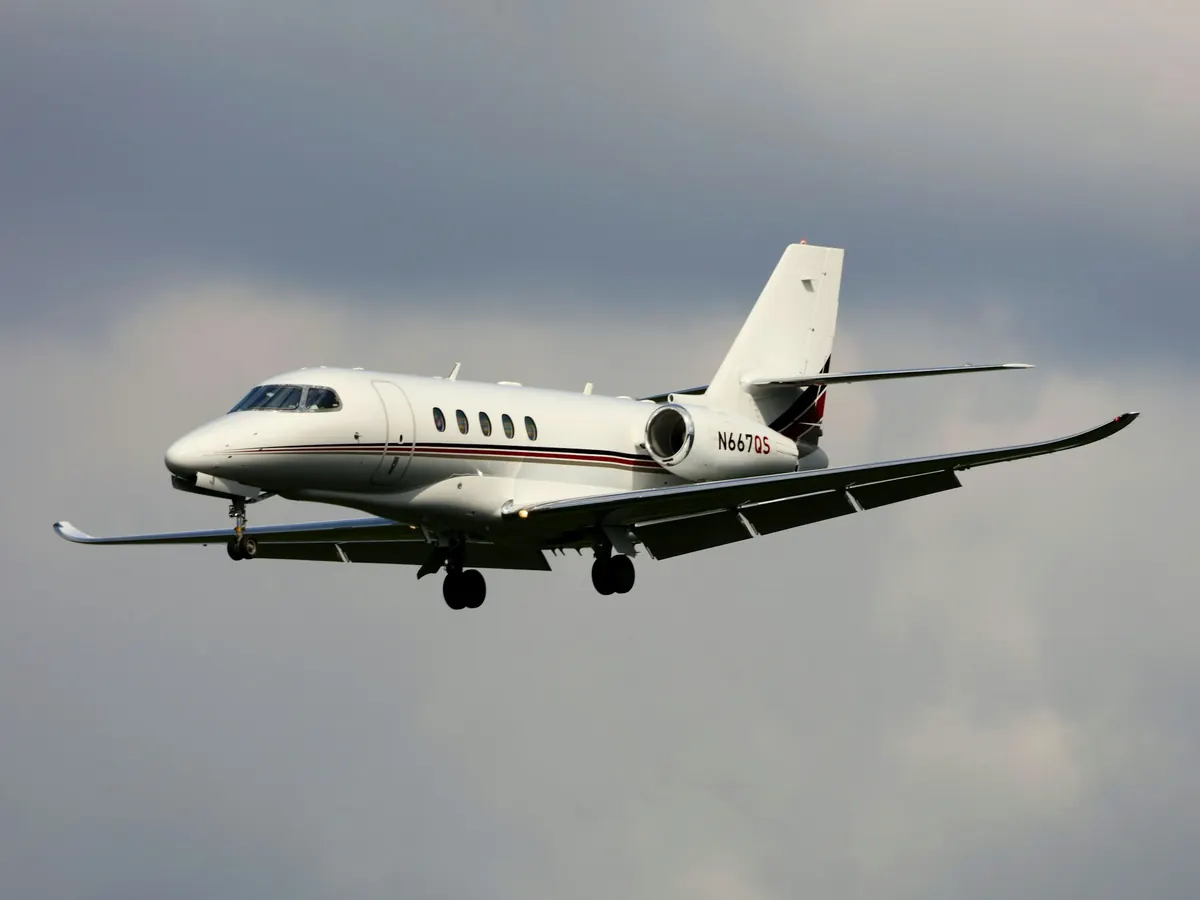
$3,500–5,500per hour, estimated
Phenom 300E, Citation CJ4, Learjet 75
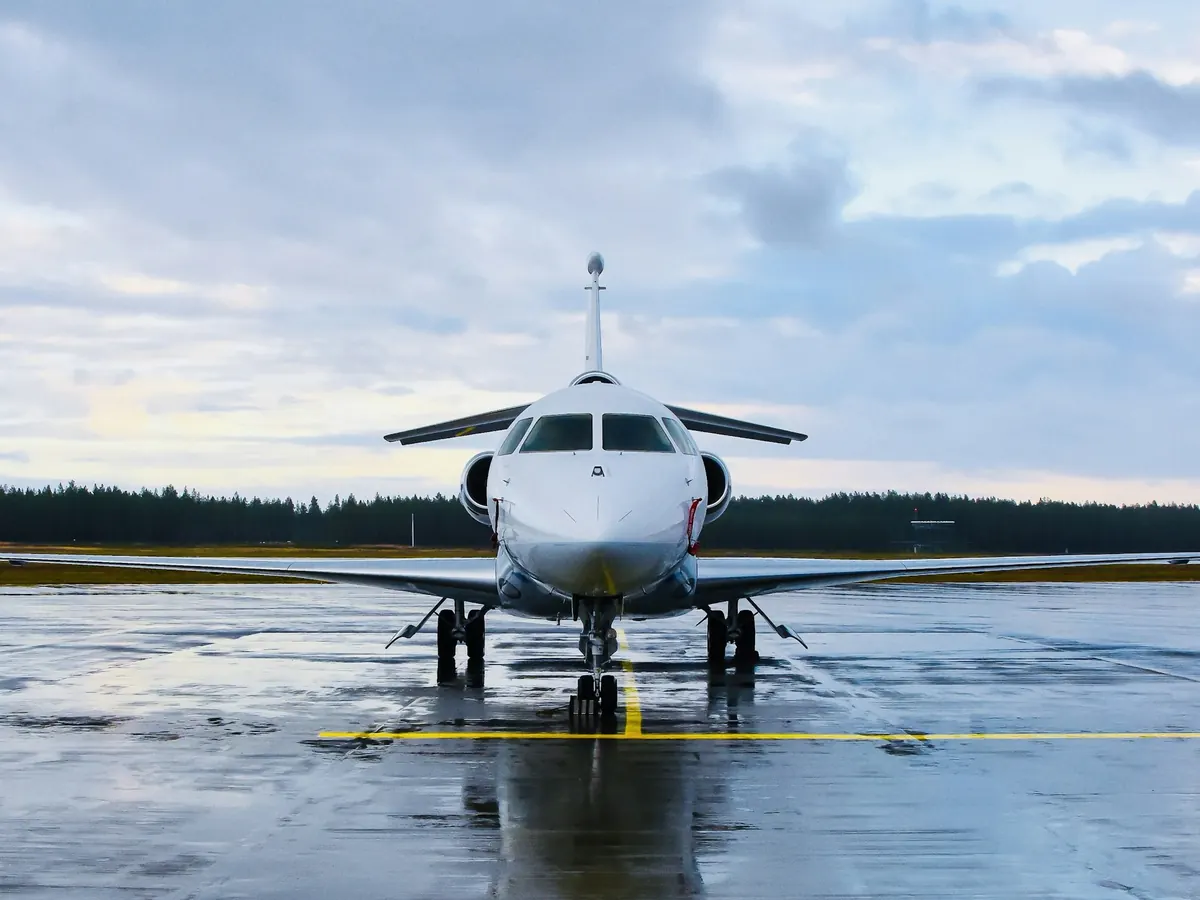
$4,500–7,000per hour, estimated
Citation XLS+
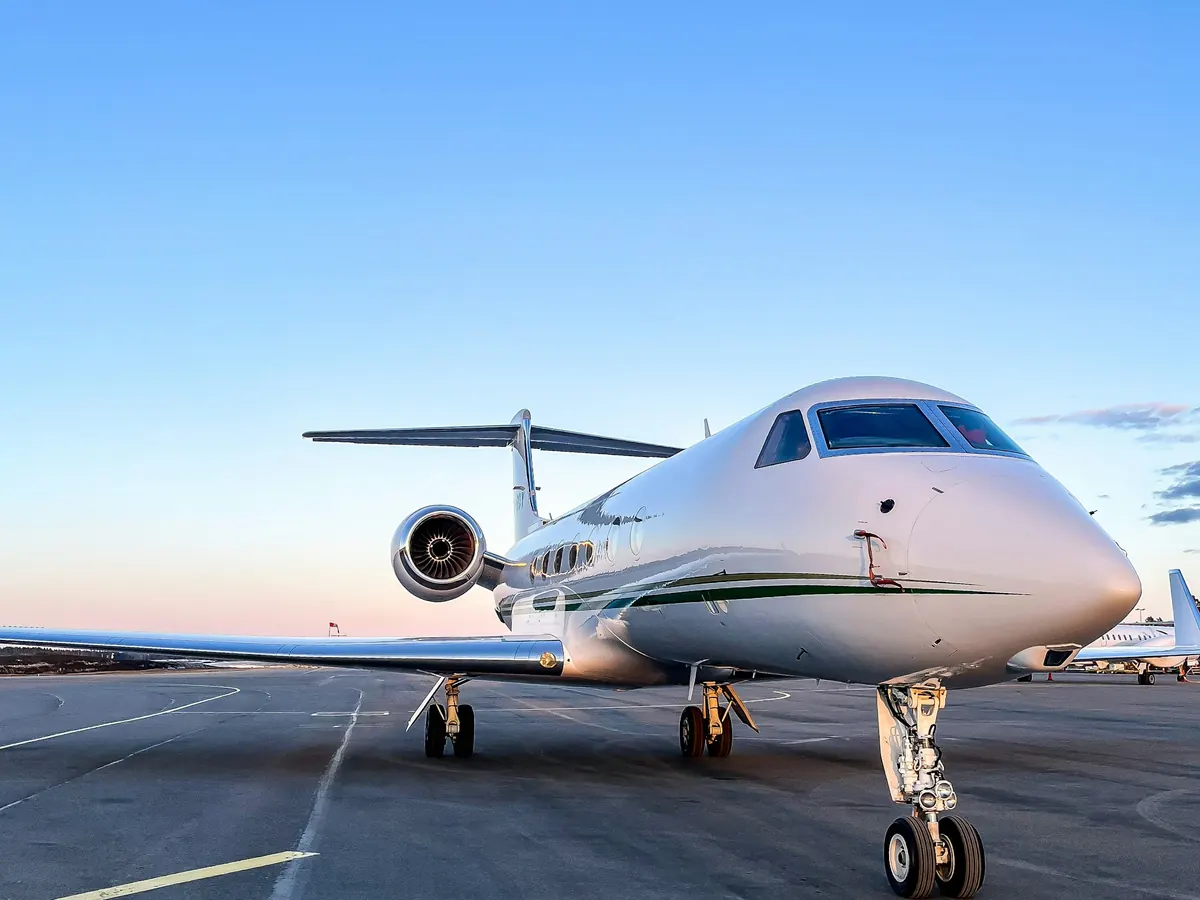
$6,500–9,500per hour, estimated
Challenger 350, Citation Longitude, Praetor 600
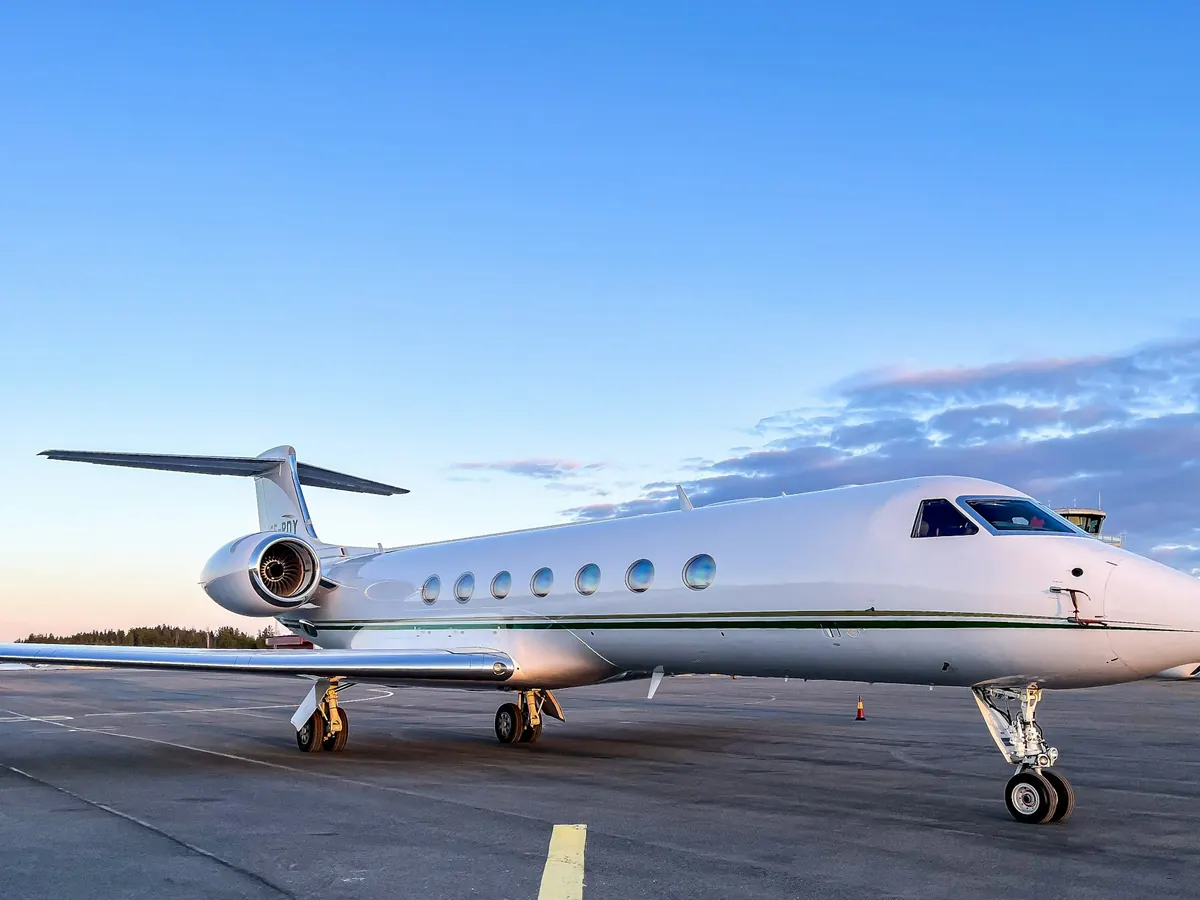
$8,500–13,000per hour, estimated
Gulfstream G450, Challenger 650, Falcon 2000LXS
Very light jets and ultra-long-range jets are covered in the full guide.
Compare all seven categoriesOne advisor, one thread, and a price you can read line by line before anything is signed.
Route, dates and passengers. Add whatever matters: pets, skis, a tight connection or a preferred aircraft.
We check availability with operators and send aircraft options, each with every line of the price shown.
Choose an aircraft, review the named operator and the charter agreement, then pay as the agreement sets out.
Arrive at the private terminal shortly before departure; the advisor who priced the trip remains your contact until touchdown.
Estimated one-way costs from typical flight times and US hourly ranges. Pick one to start a request with the airports filled in.

Teterboro to Palm Beach
Flight time only, before positioning, tax and fees.
Request this trip
Van Nuys to Las Vegas
Short hops are usually billed at the operator’s daily minimum.
Request this trip
Westchester to Aspen
Westbound into a mountain airport; winter adds de-icing and peak-day traffic delays.
Request this trip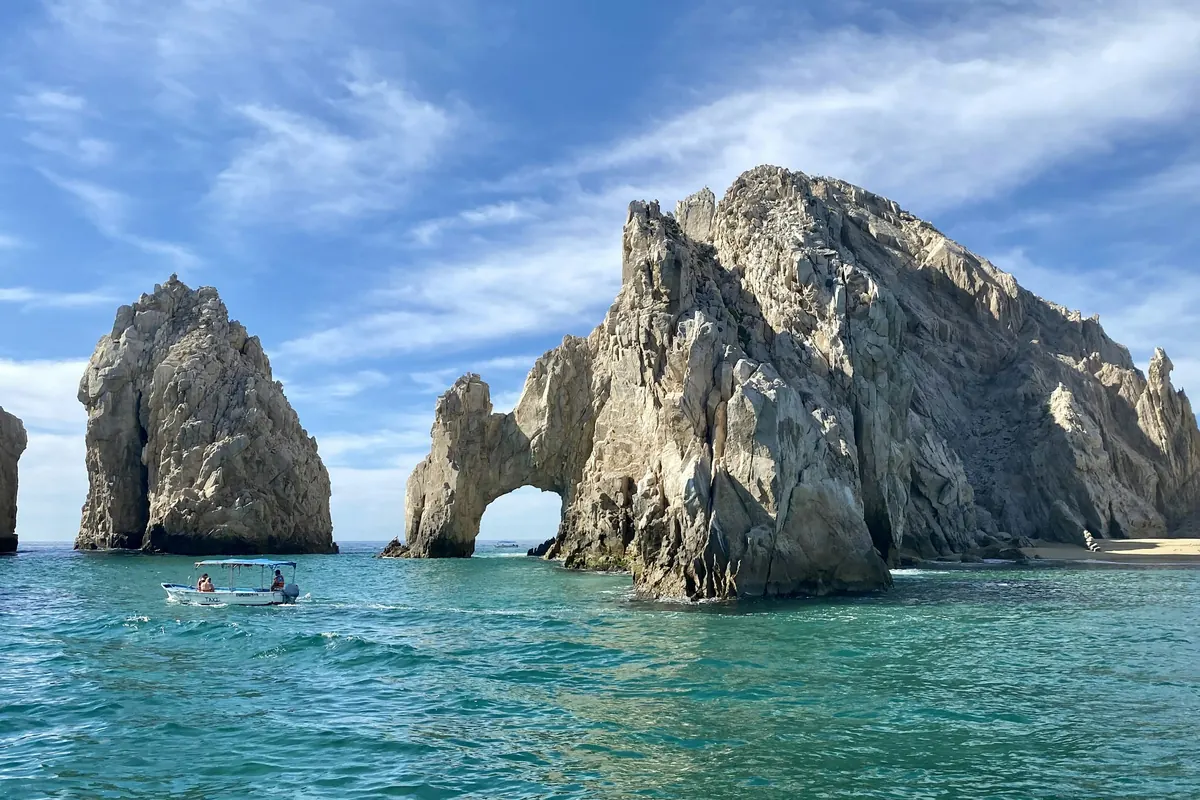
Dallas Love to Los Cabos
International trip: no 7.5% here, but the US departure tax of $23.40 a passenger (2026), Mexican fees and customs apply.
Request this trip
Boston Logan to Miami
Flight time only, before positioning, tax and fees.
Request this trip
London Luton to Nice
European operators price in euros; shown as a US-dollar guide.
Request this trip
Pick an aircraft, the hours and how long you are away. The estimator builds the same lines a real quote uses and gives you a low and a high total.
Every option we send names the operator and the certificate it flies under, along with any third-party audit ratings it holds, so you can check them before you book.
The certificate a US company needs to fly paying charter passengers. It covers maintenance programs, pilot training and duty limits, and it is the baseline for every flight we arrange.
An independent auditor that rates charter operators. Its Gold, Gold+ and Platinum ratings reflect safety history, pilot experience and, at the higher levels, an on-site audit.
Audits operators against its own safety standard. Operators that pass are listed as Wyvern Wingman, and Wyvern also produces trip-specific pilot and aircraft reports.
The international business-aviation code of practice. Operators register at stage 1, 2 or 3 as their safety management system matures and is audited.
It depends mostly on the aircraft and the hours flown. Estimated US hourly rates run from about $1,800–3,200 for a turboprop to $8,500–13,000 for a large-cabin jet, before tax and fees. A one-way light jet trip from Teterboro to Palm Beach, about 2.5 hours, typically lands somewhere around $11,000–18,000 all-in once positioning, the 7.5% federal excise tax and fees are added. Your quote replaces these ranges with the operator’s real figures.
Yes. Each option shows flight time, positioning, federal excise tax, segment fees and the airport and handling charges known in advance. Costs that depend on the day, such as winter de-icing or an extra crew night if you change plans, are listed with how they would be charged, so nothing arrives as a surprise.
If the aircraft is based away from your destination, someone pays for it to fly home empty. Some operators build that return into a one-way price; others price only the hours you fly. That is the single biggest reason one-way quotes vary, and why a well-timed empty leg can cost far less.
Many operators bill a minimum of one to two flight hours for each day the aircraft is assigned to you. A 50-minute hop is often billed as one or two hours, and a multi-day trip can include minimum charges for days you are not flying. We show where a minimum applies and whether sending the aircraft home would cost less.
An FAA Part 135 certificated air carrier, or the foreign equivalent abroad. Cost to Fly Private is a broker: we find and compare aircraft, then name the operator in your quote and agreement before you book.
No. There is no membership, card, deposit or sign-up to request a quote. Payment terms only start once you choose an aircraft and sign a charter agreement.
Many operators accept dogs and cats once they have approved them in advance. Note the size and number of pets on your request and we will only price aircraft whose operators say yes.
Short, practical pieces on the lines that confuse people most. All entries

What the tax covers, what it does not, and why international legs look different on a quote.

The three lines that make short trips and long stays cost more than the flight time suggests.

Positioning, aircraft age, one-way pricing and what is quietly left out.
Share the trip and how to reach you. A charter advisor checks availability with operators and replies with options you can compare line by line.
Availability, positioning and any airport limits for your dates.
Each with the operator named and the all-in price broken down.
Nothing is booked until you sign a charter agreement.